
Labbit’s new Configuration Assistant tackles one of the hardest parts of LIMS implementation: translating scientific intent into working protocol. In our new technical whitepaper, we go under the hood of how the Configuration Assistant was built, how it uses AI agents, and how Labbit’s architecture makes natural-language configuration possible. Here, we’ll cover the highlights of this AI-powered tool and what it means for labs.
Long before the Configuration Assistant, Labbit was designed to make workflow configuration more accessible and adaptable than traditional LIMS. Its BPMN-powered workflow designer allows scientific and operational teams to model, modify, and deploy complex laboratory processes through configuration rather than custom code, reducing the time and specialized expertise typically required to translate protocols into executable workflows.
The Configuration Assistant extends Labbit’s existing workflow configuration capabilities by using AI to translate natural-language instructions into executable workflows. Rather than replacing the platform’s configuration model, it accelerates it—helping users move from protocol design to working workflow faster while maintaining the governance, flexibility, and control already built into the system.
The power of the Labbit approach
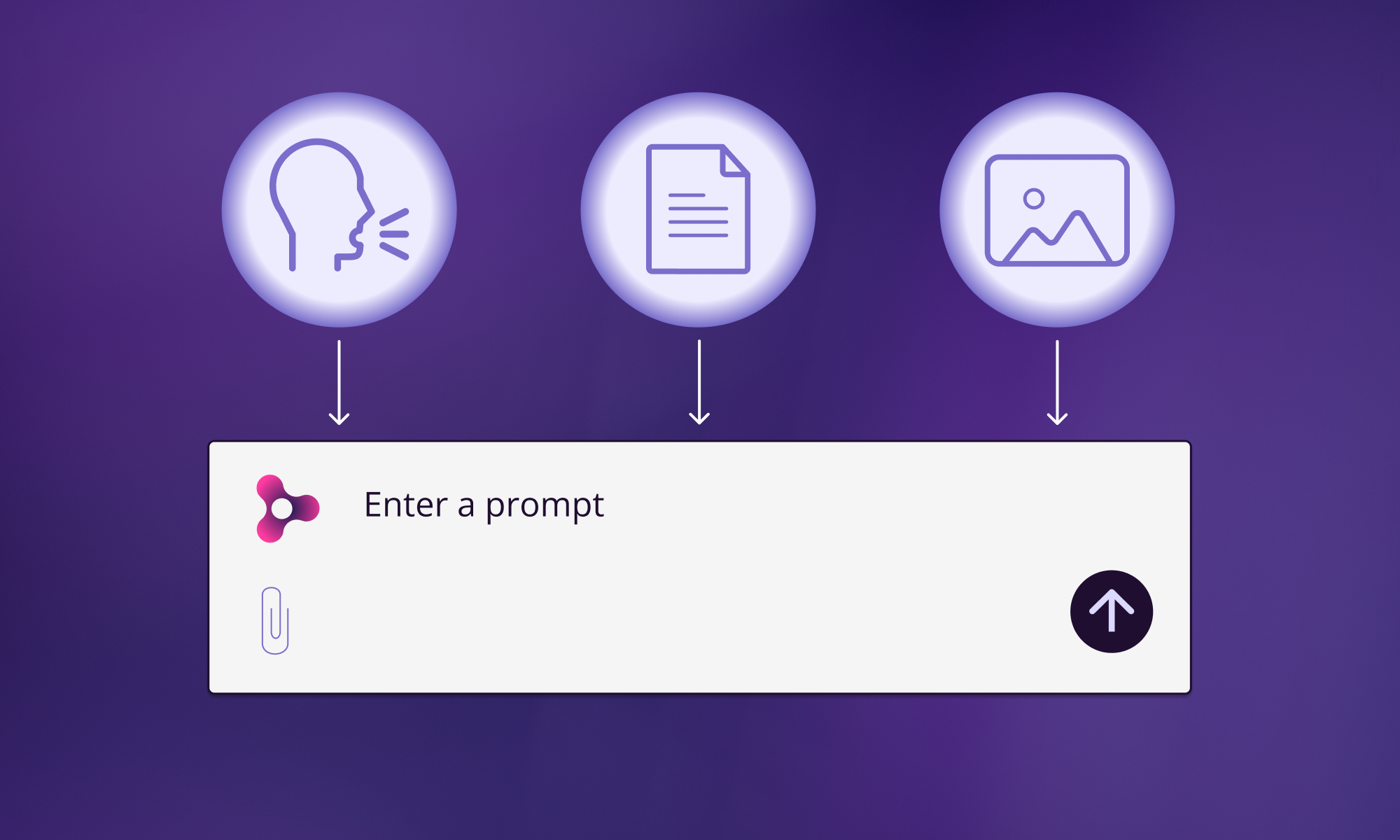
What makes the Configuration Assistant so powerful is how quickly teams can move from workflow design to working configuration, without requiring deep technical LIMS expertise. Instead of translating a protocol into configuration manually, users interact through a chat interface that can ingest their prompt or existing protocol documentation and return a high-quality working configuration in just minutes.
A scientist can describe a scientific protocol in plain language, review the proposed workflow structure, and quickly receive a draft configuration to deploy in Labbit. Iterating on a workflow is just as easy; teams can use simple language to make edits to live workflows, or upload updated protocol PDFs for the Configuration Assistant to parse and incorporate.
With the Configuration Assistant, designing a new protocol takes minutes rather than the days or weeks traditional LIMS require. Before investing significant time in workflow configuration, teams can quickly validate their design, explore multiple workflow options, and iterate frequently.
Users no longer need to understand the technical configuration layer of a LIMS to design and run their workflows. Scientists and lab teams can describe what they need in natural language and quickly move forward with a workflow that reflects how their lab actually operates.
How the Configuration Assistant Works
For users, the process feels straightforward: describe the what they need managed in LIMS, review the proposed design, and approve the configuration when it is ready. Behind that experience, Labbit’s agentic system handles the complexity required to turn natural language into deployable configuration.
- 1. Describe the workflow in natural language. Users describe what they want to build, upload a protocol document, or share a workflow diagram. The assistant interprets that input and turns it into a human- and machine-readable workflow layout.
- 2. Labbit produces the configuration. Once the user approves the proposed design, Labbit’s agents break the workflow into smaller pieces. A Drafting Agent converts the layout into build instructions, while task-specific agents generate the configuration needed to support each part of the workflow.
- 3. Validate, review, then deploy. As each part of the configuration is generated, Labbit validates it against its own system requirements. If the output fails validation, the responsible agent corrects the error and resubmits it. Users then review the draft themselves, make edits or provide feedback, and approve it for deployment into a Labbit environment.
The Configuration Assistant extends Labbit's existing workflow configuration capabilities by giving teams an AI-generated starting point for workflow design. Rather than spending time translating protocols into configuration, users can begin with a draft workflow, refine it collaboratively, and focus their effort on scientific and operational decisions rather than technical implementation.
Read the full whitepaper for a deeper look at the technical detail behind it.